
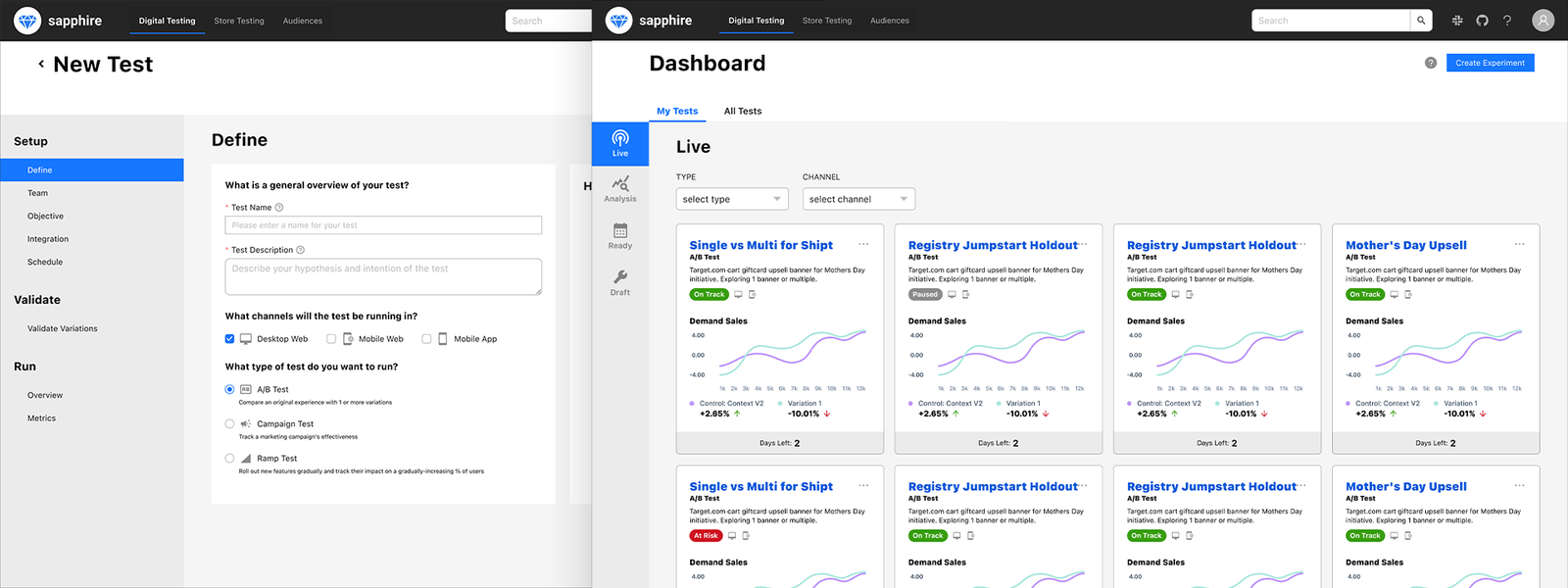
Led the redesign personally
I decided to step in and lead the design work myself. The timeline was tight, the prior direction had stalled, and the team needed someone senior actually doing the work — not coaching it.

Getting a stalled A/B testing platform redesign back on track & improving design hiring
Executive summary
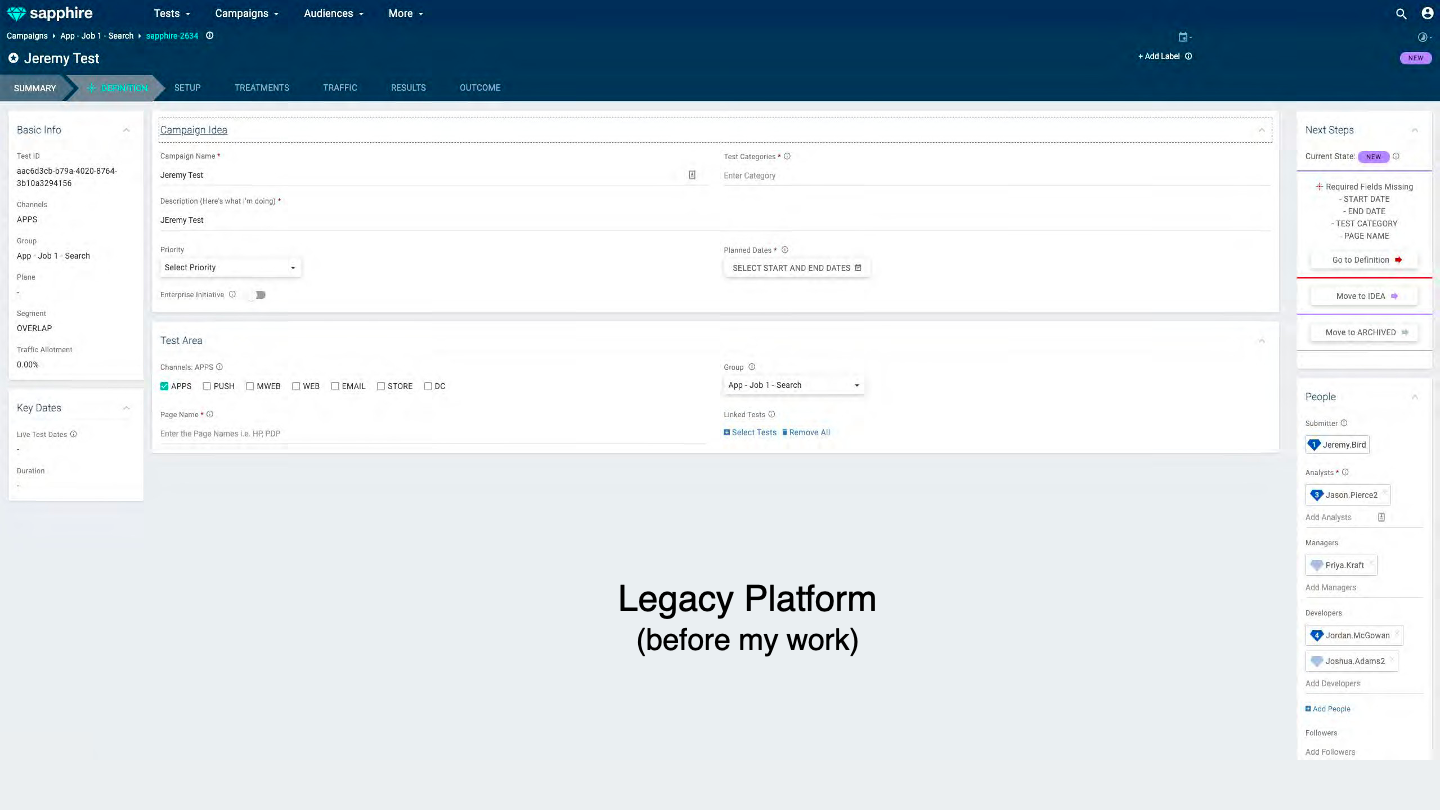
I inherited a stalled redesign of Target's internal A/B and ramp-testing platform — the system informing billion-dollar decisions on Target.com and the mobile app. I diagnosed a skills/scope mismatch on the design seat and a disorganized Information Architecture forcing constant context-switching.
I led the re-design personally through launch which included a wizard-driven creation flow, visual hierarchy, and contextual actions that let analysts and PMs operate the tool without a coach. All while architecting a hiring process that resulted in 3X faster design hiring and recruiting high quality candidates that also filled 2 other roles on other teams.
Project role
Player / Coach
Time frame
2020 - 2021
Company size
415,000
Leadership Scope
4
Company stage
Fortune 50 Enterprise
Industry
Retail & Data Science
56%
Reduction in Test Creation Time
3X
Faster Design Hiring
76%
faster time to $B decisions
enabled
$32M
increase in revenue
Problem & Stakes
Sapphire is the internal A/B testing platform informing billion dollar decisions, but almost nobody at the company could easily use it or trust its data. Multiple paths to the same outcome, unclear test status, and usability flaws in basic test set up were quietly affecting test validity.
A redesign had been started a few months before I joined, but the project was stalled. The designer on the project was under qualified for the scope, stakeholders had lost confidence.
With Black Friday swiftly approaching, the team needed:
- Higher-quality design work fast.
- A better way to hire a long-term fit for the future
Strategic Approach
Stakeholder confidence had to be rebuilt, and design quality had to be improved.
I could have led with hiring — most leaders would. But you can't spend credibility you haven't earned. Restoring trust and quality first is what made the hiring improvements work. Collaboration and trust were essential in the hiring process adjustments I made.
I decided to step in and lead the design work myself. The timeline was tight, the prior direction had stalled, and the team needed someone senior actually doing the work — not coaching it.
Confidence had been lost. It needed to be rebuilt. I focused early on visible craft wins along with improved interaction patterns that addressed the crucial pain points. I took the time to partner with stakeholders along the way, bringing them into the work itself — not just sending it for review.
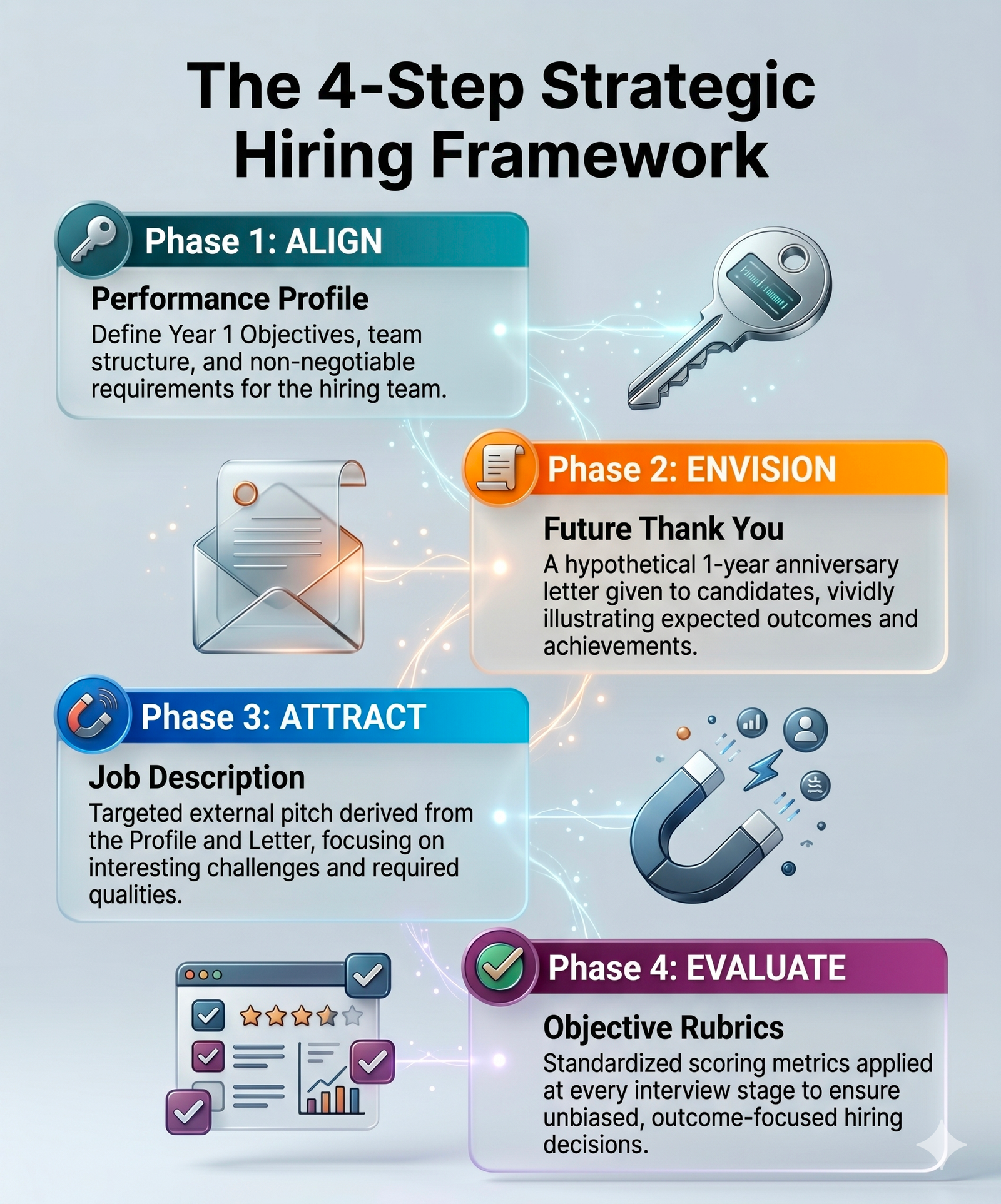
Partnered with recruiting to redesign how we filtered candidates: clear objectives, a craft + professional-skills rubric, documented team-culture context, and a 'Future Thank You Letter' framing what success looks like a year in.
Execution & Alignment
I led design personally, restructured the IA, and shipped a wizard-based redesign through launch.
I built a cross-functional hiring framework to bring in the next design lead — and set her up to succeed.
The PM coming off a difficult stint with the prior designer was understandably prescriptive. She came in with very specific UI flows she wanted built. I took specific action to earn her trust.
By launch, she was one of my strongest design partners:
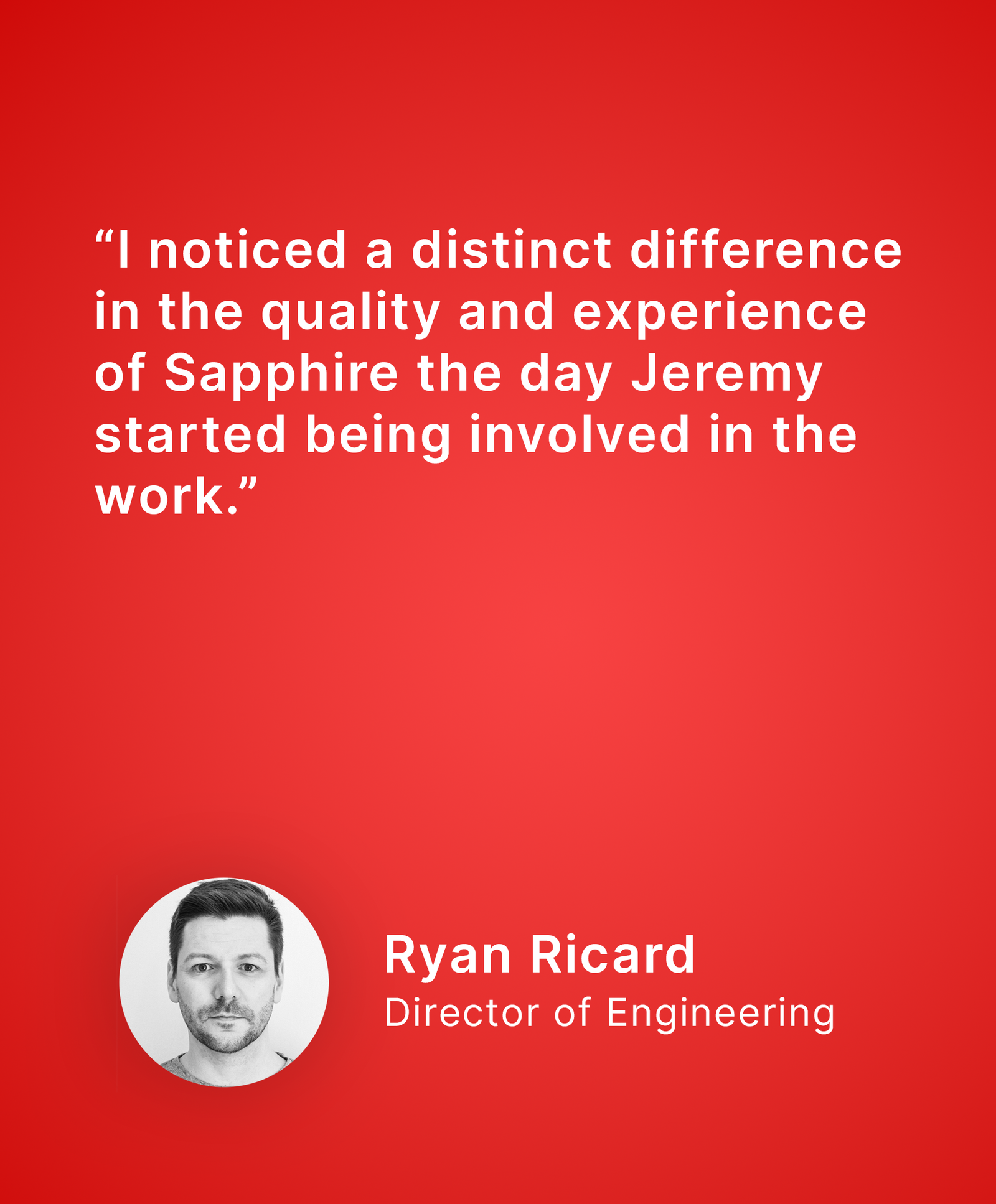
"Jeremy is one of the best UX leaders I have worked with. He cares deeply about the users and solving the right problem for them, and building thoughtful experiences."

Full discovery would've stalled the project again. Not doing any research was also not an option. I negotiated to scope research down to what would unblock the work, and help me understand the pain points. I brought along my PM partner on each one.
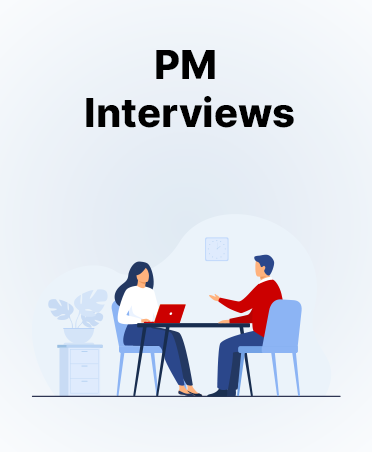
Long-tenured PMs gave us the platform's history, previous research that was done, pain points they knew about, and nuances I would have otherwise missed. These were also the key stakeholders, so including them was essential.
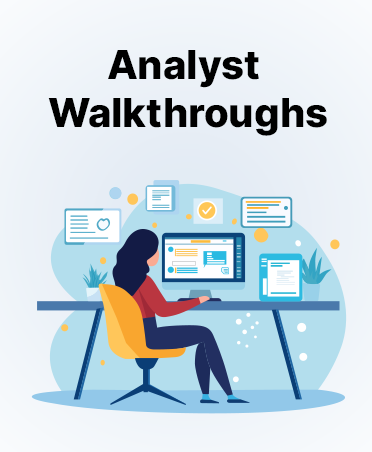
Analysts were the most crucial users to Sapphire's success, so it was essential to understand their workflows. I had them walk me through how they used the product with a talk track to understand the reasons for their approach and what pain they experienced along the way.
Research surfaced three system-level problems — none of them solvable by polishing individual screens.

Consistent-feeling setup across all test types.
Wizard-based UI to guide users & improve clarity.
Skip-around nav for easy editing.

Fixed the visual hierarchy. Easy groupings by status. Easily find My Tests or All Tests.

Consistent dashboard feel between statuses improved learnability, usability, and clarity.

I added a draft status which saved progress mid-creation, resolving one of the most cited frustrations: sessions expiring mid-review and erasing work.

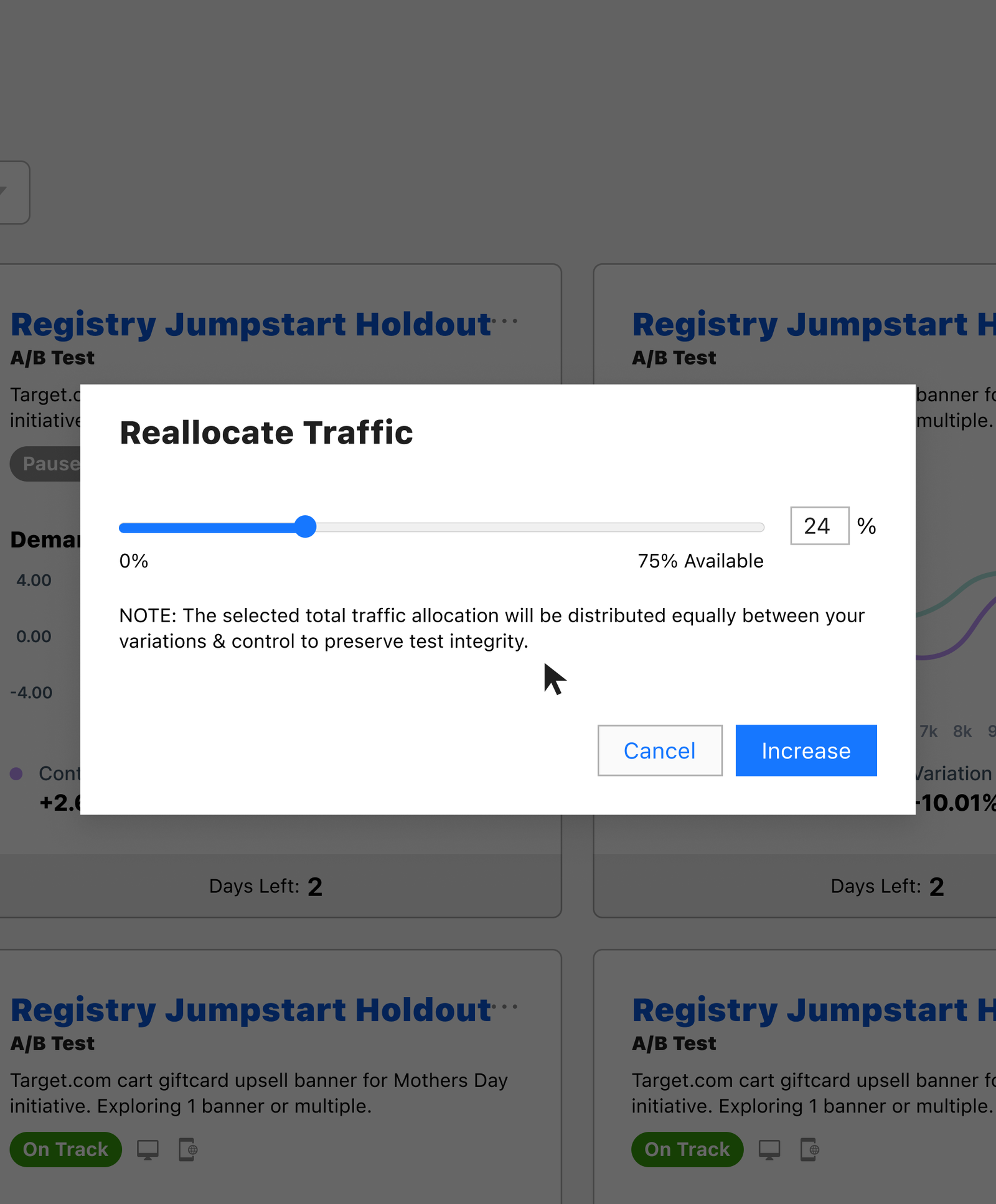
I removed the context-switching to perform simple tasks.
Common actions like reallocating traffic now happen in-context.
Most hiring starts with a wish list — years of experience, a list of duties, an imagined ideal candidate. Like with design, though, putting in some work upfront ends up giving you better outcomes.
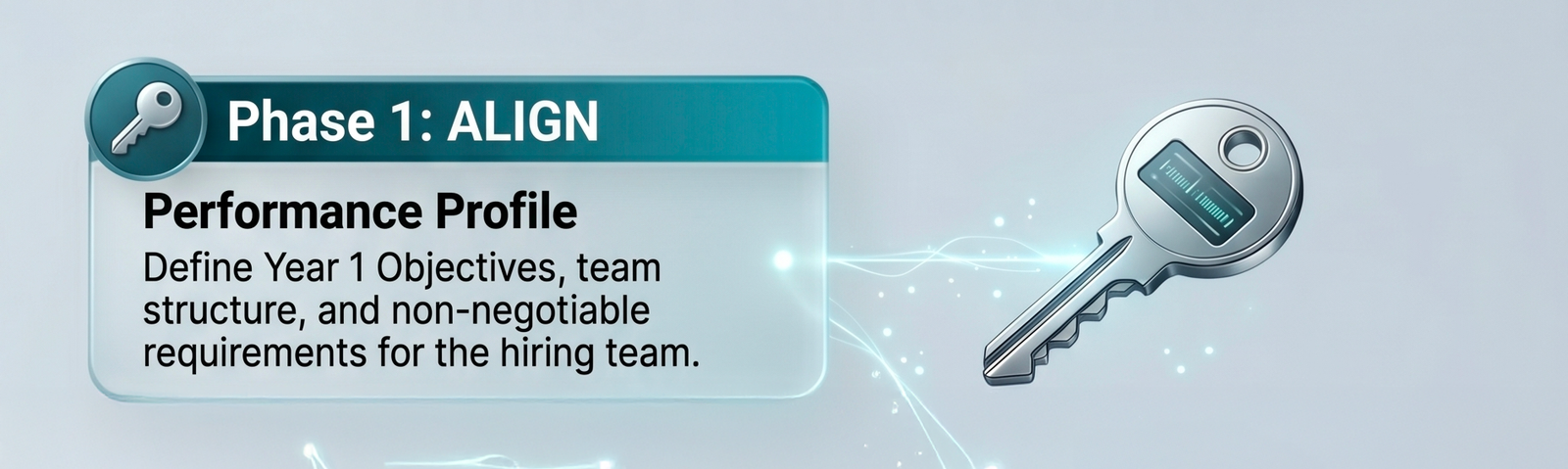
The first step is to prepare a detailed Performance Profile
Benefits:

Position Summary
What the product & team are, what's next for it, and the kind of person who'll thrive there.

Year 1 Objectives
The outcomes this hire needs to deliver in their first year.

Organizational Structure
Who they report to, who they partner with, where the role sits.

Situational Needs & Challenges
The conditions on the ground — what they're walking into.

Requirements rooted in objectives rather than dreams
BASIC: Non-negotiable skills and experience required to deliver Year 1 objectives.
NICE TO HAVES: Extras that strengthen the fit without being deal-breakers.

Interview Team
Who's on the panel, what each interviewer is evaluating, why.

Interview Process
The stages, the prep, and how decisions get made at the end.
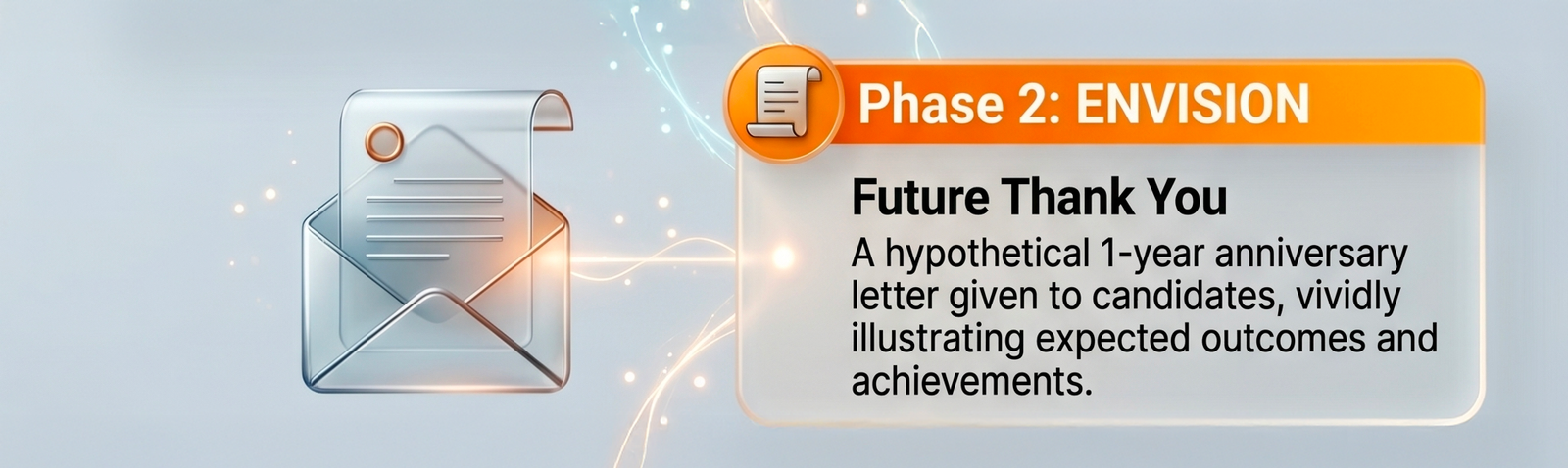
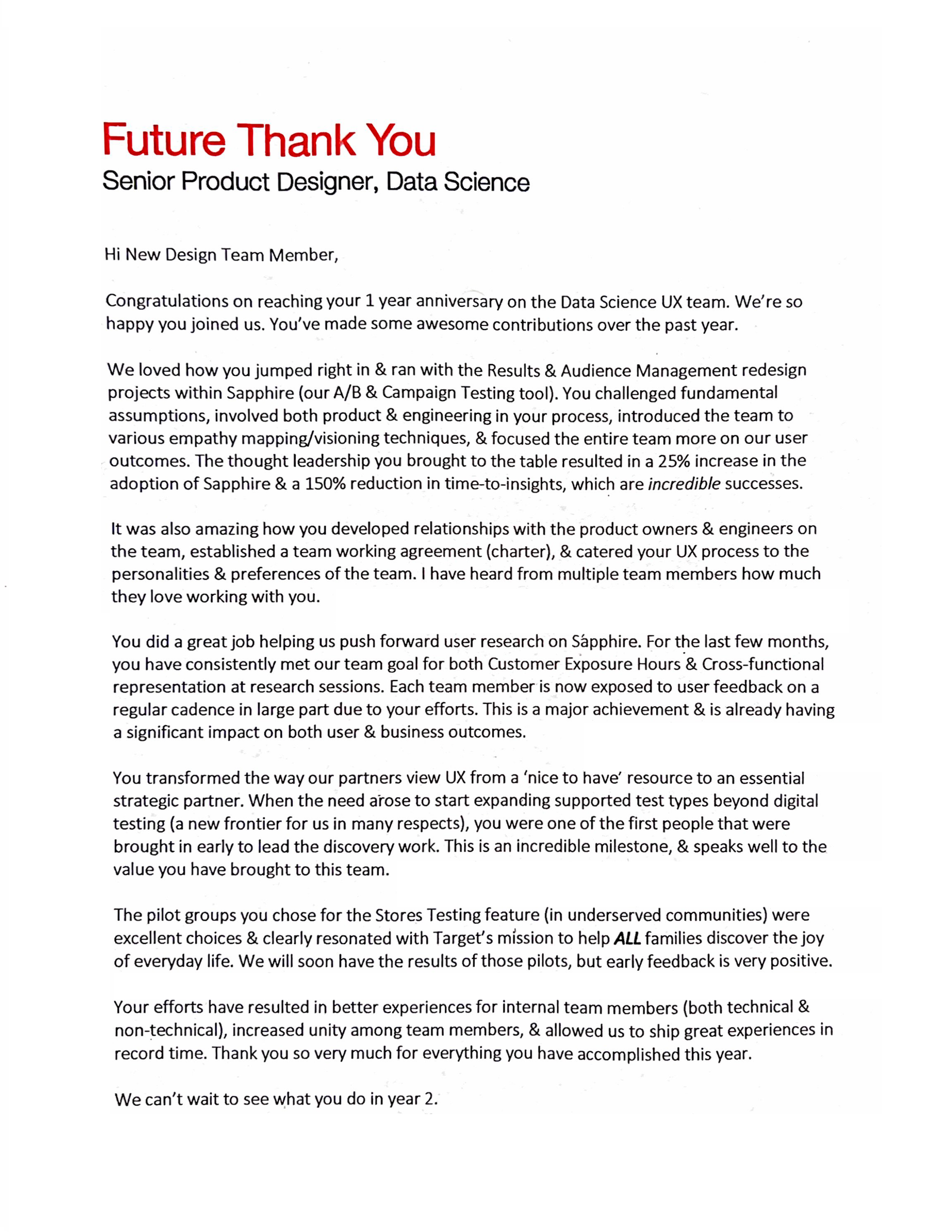
From the Performance Profile, I drafted a Future Thank You Letter — a hypothetical 1-year-anniversary note from the team to the future hire. It answered a single question: what tangible benefits will this person's work have delivered to the team, the organization, our customers, and our users?
Sketching the win in advance forced specificity. Vague wishes ("strong design leader") became concrete outcomes ("led the analytics dashboard redesign that cut analyst report time by half"). The letter became the north star for everything downstream — the job ad, the rubric, the interview questions.
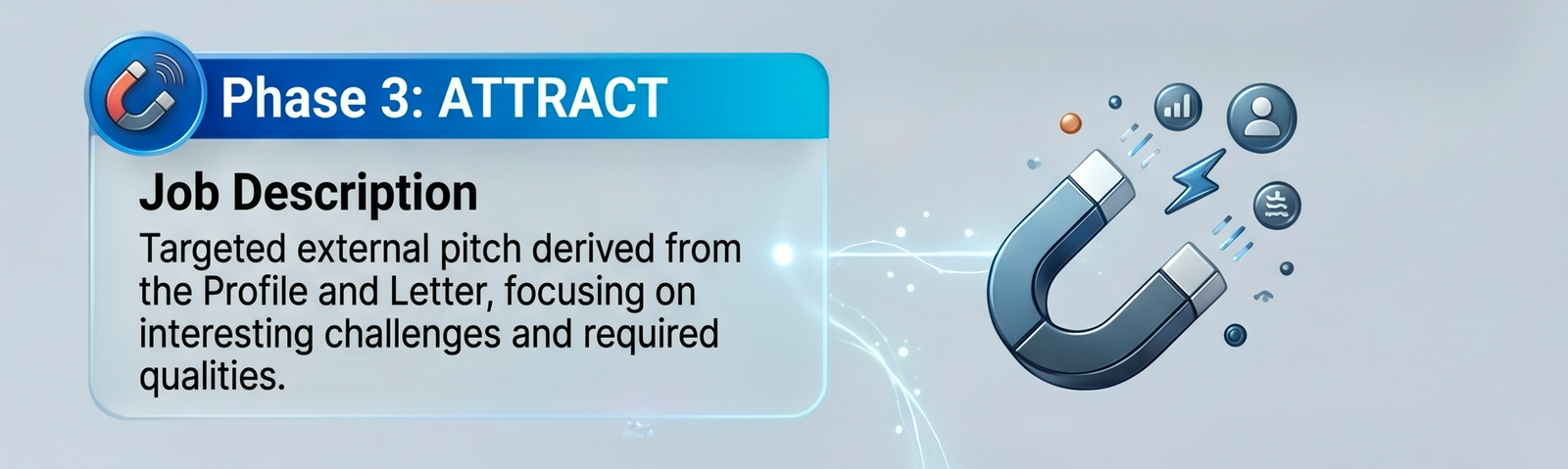
Most job descriptions read like a duties list — generic, vague, and built around years-in-seat requirements that have only a loose correlation with whether someone is actually great at the work. I wrote this one as an ad.
Starting from the year-one objectives, I backed into the experience required to accomplish them — comparable experience, not years served. Then I added what most JDs leave out: why is this role exciting, what will you have autonomy over, what experience will you gain and what impact will you have, and who is the right fit (and who isn't). The ad sold the role; the rubric would filter the applicants.
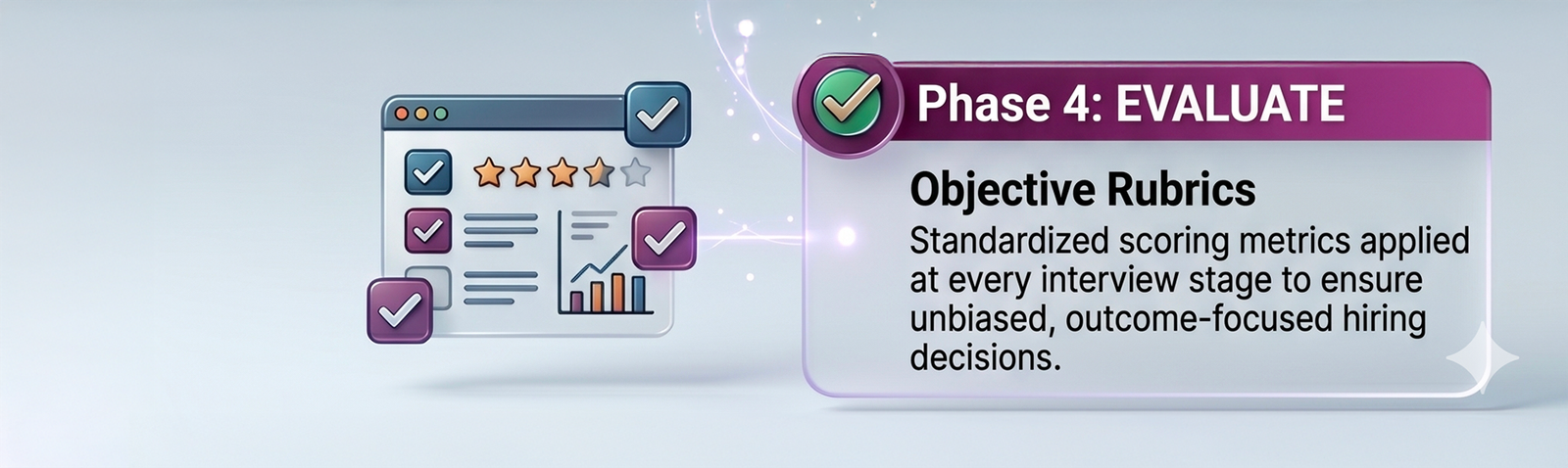
Most hiring panels rely on gut feel. Interviewers walk out with impressions; debriefs become loudest-voice-wins. I built a rubric for every interview stage — weighted criteria tied directly to the Performance Profile — and asked each interviewer to author their own standard question set against the criteria they owned.
After each interview, panelists submitted their rubric scores individually via a structured survey. The scores compiled into a uniform final grade. Decisions weren't subjective — they were the math of the rubric, with room for grounded discussion when interviewers disagreed on a specific dimension.
The artifacts compounded. By the time we were sitting across from candidates, every panelist knew exactly what to look for, how to evaluate it, and how to weight it against the others. Same operating principle on both tracks: a clear point of view, built together.
Outcomes & Downstream Impact
The work paid off across the platform and the team — and the hiring process became a template other teams adopted.
We launched the redesigned platform before Black Friday, with a senior designer hired and onboarded into the team. The numbers below are measured against a pre-launch benchmark study the team had run earlier — same business problem, same task framing, before and after.
56%
Reduction in Test Creation Time
3X
Faster Design Hiring
76%
faster time to $B decisions
enabled
$32M
increase in revenue
Before the redesign, the team had run a benchmark study to measure how long it took analysts and PMs to go from a business question to a defensible recommendation. The task included setting up an A/B test, letting it run, and analyzing results. Many teams couldn't finish the task inside the two-week time box. Most who could took over a week.
We ran the same benchmark in production after the new platform shipped. End-to-end time to a billion-dollar decision dropped 76%. Test setup time alone fell 56% — the wizard, the visual hierarchy, and the contextual actions removed the friction that had forced users to context-switch through a dense single-page form. Analysis time also dropped, less from interface changes and more from restored trust in the underlying data: when the test setup is clearer, the results are easier to defend, and the recommendation lands faster.
In the first quarter following launch, the new platform enabled an average of $32M in incremental revenue per campaign created on it. The number isn't the redesign on its own — it's what becomes possible when test creation stops being a bottleneck and a wider group of people can run experiments without an expert in the room.
It's a much cleaner and simpler interface. The steps keep you focused and free from feeling overwhelmed.
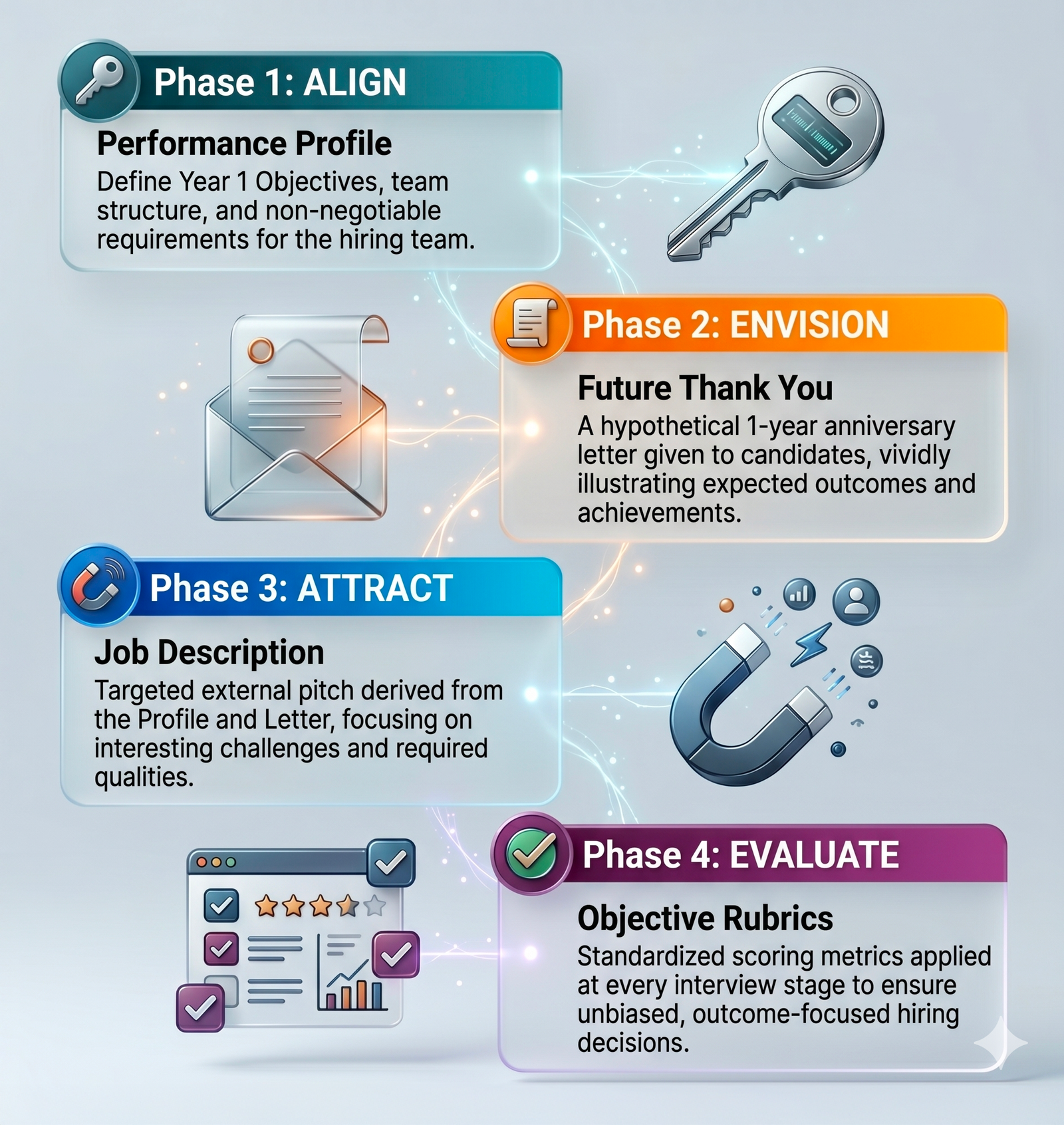
The Performance Profile / Future Thank You Letter / Job Ad / Objective Rubrics pipeline cut design hiring time by 3X. The more durable outcome was that the process didn't stop with the role I was hiring for — recruiting partnered with me to apply the same framework to two other open positions on adjacent teams, and those roles filled out of the same candidate pool.
The designer I hired ramped quickly and earned the team's trust within months. The framework outlived the search — it became a template the team used for subsequent hires.
Reflections
The work paid off on the surface — but the operating principles underneath are what I carry into every leadership role since. Four lessons.
What this work taught me: